C. Jhanaghar, III Year, B.E. Electrical and Electronics Engineering
Introduction to EEE
Electrical and Electronics Engineering, popularly known as EEE, is one of the most dynamic and rewarding branches of engineering. It deals with the generation, transmission, distribution and efficient use of electrical energy, as well as the design of electronic devices, circuits and control systems. Almost everything that defines modern life, from the light in a classroom to the smartphone in a student’s hand, depends on the work of electrical and electronics engineers.
The department brings together two closely related fields. Electrical engineering focuses on large-scale power, machines and energy systems, while electronics engineering deals with small-scale circuits, semiconductors, communication and embedded devices. Together they give students a complete understanding of how energy is produced and how intelligence is added to it, which is why EEE graduates are valued in so many industries.
What EEE Students Learn
The EEE curriculum begins with strong foundations in engineering mathematics, physics and basic electrical circuits. Students then move on to core subjects such as electrical machines, analog and digital electronics, signals and systems, control systems, power systems, power electronics, microprocessors and microcontrollers. Later semesters introduce electives in renewable energy, electric vehicles, industrial automation and artificial intelligence applications.
Theory is balanced with hands-on laboratory work, where students build circuits, test motors and transformers, program controllers and simulate power networks using industry-standard software. Mini projects, internships and final-year projects help them connect classroom concepts with real engineering problems.
Importance and Real-Life Applications
Electrical and electronics engineering is the backbone of modern civilization. Power plants and transmission lines deliver electricity to homes, hospitals, schools and factories. Electric motors drive trains, lifts, pumps and household appliances. Electronic circuits power mobile phones, computers, medical equipment such as ECG and MRI machines, and the communication networks that keep the world connected. Even farming, transport and banking now rely on sensors, controllers and smart electronic systems.
Technical Knowledge and Skills Gained
An EEE student develops the ability to analyses circuits, design power and control systems, work with sensors and microcontrollers, and troubleshoot electrical equipment safely. Alongside technical expertise, the programme builds problem-solving, logical thinking, teamwork, communication and project-management skills. Familiarity with tools such as MATLAB, Simulink, PLC programming and circuit simulation software gives graduates a clear advantage in the job market.
Advantages of Choosing EEE
One of the greatest strengths of EEE is its versatility. Graduates can work in power utilities, manufacturing, electronics, IT, telecommunications, automotive, aerospace and research organisations. The branch has steady demand because every industry needs reliable power and intelligent control. It also encourages innovation and prepares students for higher studies, competitive government examinations and entrepreneurship.
Future Technologies
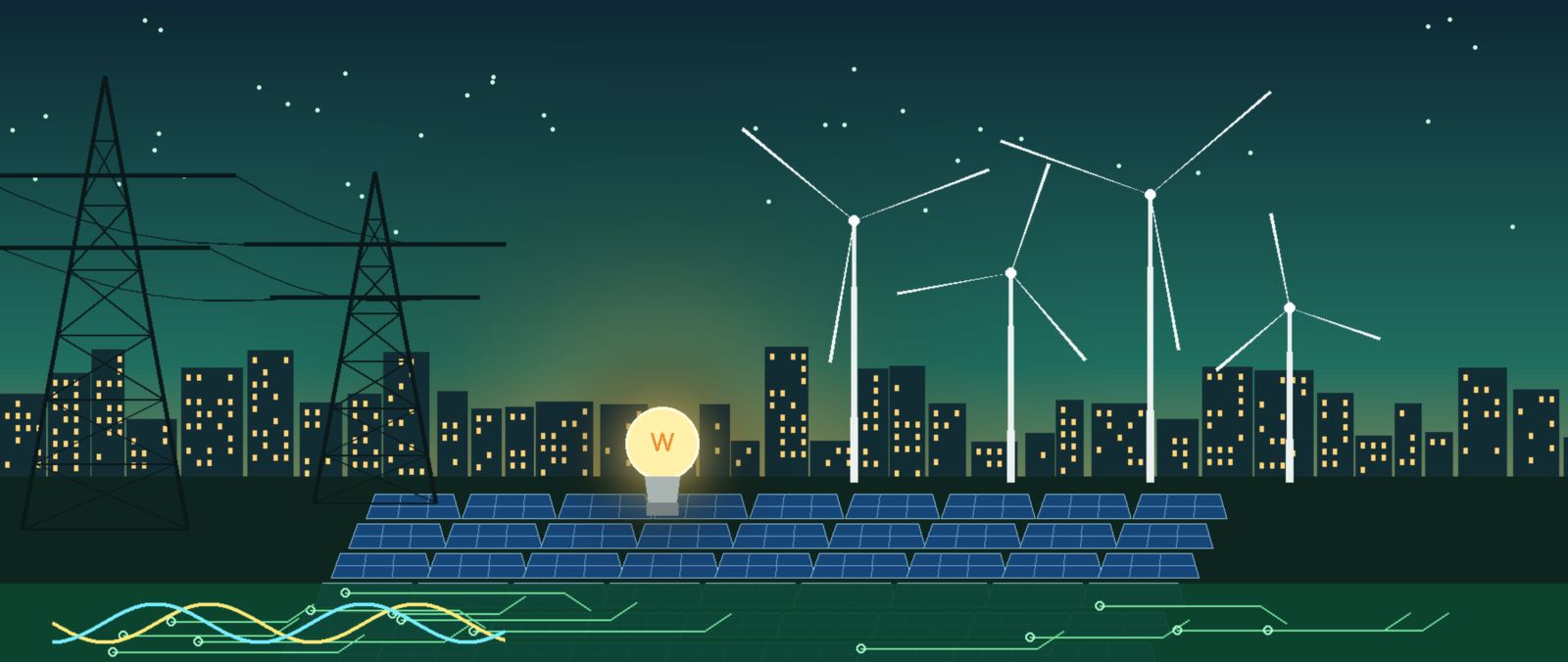
The future of EEE is exciting and full of opportunity. Electric vehicles are transforming transport and require experts in batteries, motor drives and charging systems. Renewable energy sources such as solar and wind are reshaping the power sector, while smart grids use digital communication and real-time data to make electricity networks more reliable and efficient. Robotics and industrial automation are changing the way products are made, with electrical and electronics engineers designing the sensors, drives and controllers behind them.
Career Opportunities and Future Scope
EEE graduates can build careers as power system engineers, control and automation engineers, embedded system designers, electrical design engineers, maintenance engineers and renewable energy specialists. They are recruited by power companies, public sector undertakings, electronics and automobile industries, and technology firms. Many also pursue M.Tech, MBA or research degrees, or prepare for GATE and civil service examinations. With the worldwide shift towards clean energy and smart technology, the scope of this field will continue to grow.